
One Technology, Relief for Pain Across the Body
SoftWave uses FDA-cleared electrohydraulic shockwave technology to increase blood flow, activate your body's own stem cells, and calm inflammation at the source of your pain. Here's how it helps the conditions we see most often in our Costa Mesa patients.
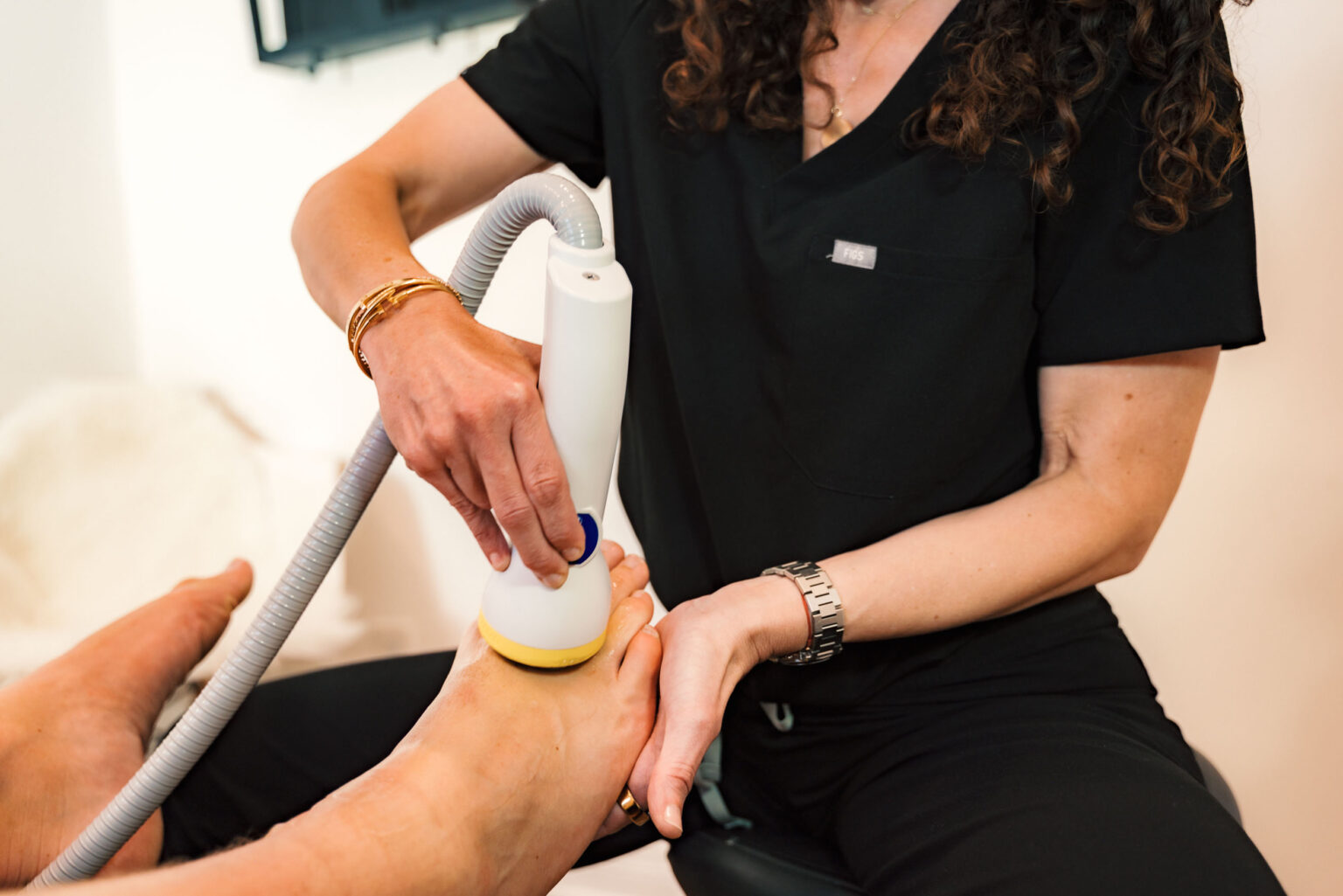
How SoftWave Helps, No Matter the Condition
Every condition below responds to the same underlying mechanism.
Increases Blood Flow
Acoustic pulses temporarily boost circulation to the treated area, delivering more oxygen and nutrients to damaged tissue.
Activates Stem Cells & Connective Tissue
The shockwaves stimulate your body's own regenerative cells and connective tissue, encouraging real repair rather than masking symptoms.
Reduces Inflammation & Pain
As circulation and tissue repair improve, inflammation and the pain signals it causes begin to subside.
No Microtrauma
Unlike focused shockwave devices that intentionally injure tissue to trigger healing, SoftWave's broad-focused wave stimulates repair without causing damage.
Conditions We Treat
Select a condition to learn more about your specific treatment path.
Plantar Fasciitis
That sharp first-step heel pain in the morning is often inflamed plantar fascia. SoftWave boosts blood flow to the fascia and activates tissue repair, so you can walk and stand without wincing.
See treatment details ↓Knee Pain
From osteoarthritis to overuse strain, SoftWave offers a non-surgical option for knee pain that targets the joint's connective tissue directly, without injections or downtime.
See treatment details ↓Shoulder Pain
Rotator cuff injuries, impingement, and general shoulder stiffness all respond to SoftWave's ability to activate healing in tendons and connective tissue.
See treatment details ↓Sports Injuries
Stress fractures, shin splints, hamstring strain, and Achilles tendinopathy are among the overuse injuries SoftWave helps athletes recover from faster.
See treatment details ↓Neuropathy
By improving blood flow to compromised nerve tissue, SoftWave can help ease the burning, tingling, and numbness that come with nerve-related pain.
See treatment details ↓Arthritis
SoftWave targets the inflammation and reduced circulation behind arthritic joint pain, helping restore movement without relying on long-term medication.
See treatment details ↓Plantar Fasciitis
Many patients improve in 3–5 sessionsThe plantar fascia is a thick band of tissue along the bottom of your foot. It has a limited blood supply, which is why heel pain can drag on for months. SoftWave brings circulation back to the fascia and activates tissue repair, so you can get through your day without that stabbing heel pain.
Common signs
- Sharp heel pain with first steps in the morning
- Pain after standing for long periods
- Tenderness along the arch or heel
- Pain that flares after exercise
Knee Pain
A non-surgical optionWhether your knee pain comes from wear and tear, an old injury, or overuse, SoftWave reaches the tendons, ligaments and connective tissue around the joint. It's a way to address the pain without injections, and for many patients, a way to avoid or delay surgery.
Commonly treated
- Knee osteoarthritis
- Patellar tendinitis (jumper's knee)
- IT band syndrome
- Runner's knee
- Pain climbing stairs or kneeling
- Stiffness after sitting
Shoulder Pain
Tendon & connective tissue repairShoulder tendons work hard and heal slowly. SoftWave activates healing in the rotator cuff and surrounding connective tissue, helping you reach, lift, and sleep comfortably again.
Commonly treated
- Rotator cuff tendinopathy
- Shoulder impingement
- Calcific tendinitis
- General shoulder stiffness
- Pain reaching overhead
- Pain sleeping on your side
Sports Injuries
No downtime between sessionsFrom weekend warriors to competitive athletes, overuse injuries can sideline you for months. SoftWave helps you recover faster, and because there's no downtime, you can keep training as your provider advises.
Commonly treated
- Achilles tendinopathy
- Shin splints
- Hamstring strain
- Stress fractures
- Tennis & golfer's elbow
- Hip and groin strains
Neuropathy
Often a 6–10 session courseNerves need a healthy blood supply to function. By improving circulation to compromised nerve tissue, SoftWave can help ease the burning, tingling, and numbness of nerve-related pain. Neuropathy is usually long-standing, so it often benefits from a longer course of treatment.
Common signs
- Burning or tingling in feet or hands
- Numbness or "pins and needles"
- Sensitivity to touch
- Pain that worsens at night
Arthritis
Less stiffness, more movementSoftWave doesn't reverse arthritis, but it targets the inflammation and reduced circulation behind arthritic joint pain. Many patients find they move more easily and rely less on long-term pain medication.
Commonly treated joints
- Knees
- Hips
- Hands & thumbs
- Shoulders
- Feet & ankles
- Morning joint stiffness
SoftWave Treats a Wide Range of Pain
These are other conditions we commonly evaluate. If your pain isn't listed, ask us if SoftWave can help.
Watch a Real SoftWave Session
Watch how a typical SoftWave session works, start to finish.
FDA-Cleared, Non-Invasive, Zero Downtime
SoftWave's electrohydraulic technology is FDA-cleared for pain reduction, temporarily increased blood supply, and activation of connective tissue. The same underlying technology is also cleared to treat chronic diabetic foot ulcers and acute second-degree burns, a strong safety track record for soft tissue applications.
- No drugs
- No needles
- No surgery
- No anesthesia
Quick Sessions, Lasting Results
Session Length
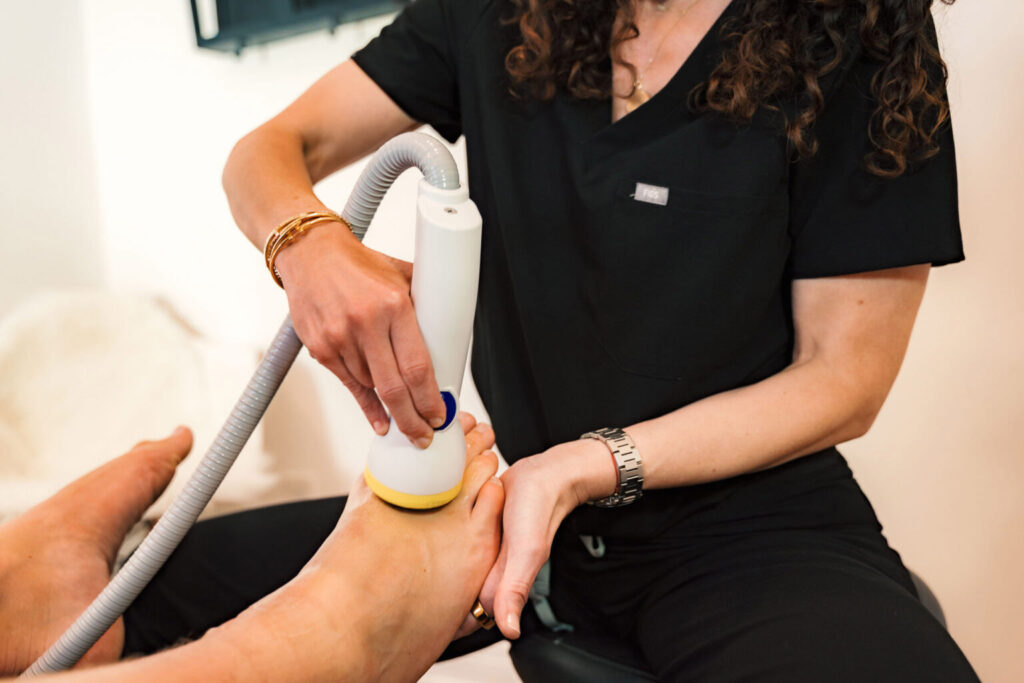
Most treatment areas take just 5–10 minutes as your provider moves the applicator over the targeted area.
Sessions Needed
Many patients notice improvement within 3–5 sessions. Chronic or long-standing conditions often benefit from a full course of 6–10 sessions.
Afterward
No downtime. Most patients return to normal activity immediately, with results building over the following weeks.
Questions About Your Condition
How do I know if SoftWave will work for my condition?
The best way to find out is a free consultation. Dr. Gillis will review your history, examine the area, and tell you honestly whether SoftWave is a good fit.
Can I treat more than one area?
Yes. Many patients have more than one area treated in the same visit, such as both heels or a knee and a hip.
I've already tried cortisone shots or PT. Can SoftWave still help?
Often, yes. Many of our patients come to us after other treatments only gave temporary relief. SoftWave works differently by stimulating tissue repair at the source of the pain.
Can I keep exercising during treatment?
In most cases, yes. There's no downtime, and we'll give you guidance on activity based on your condition.
Is it safe if I have diabetes?
Many patients with diabetes are good candidates, and the underlying technology is FDA-cleared for diabetic foot ulcers. We'll review your health history during your consultation to make sure SoftWave is safe for you.
Individual results vary. Treatment recommendations are made after a consultation to determine whether SoftWave is appropriate for your condition.
Not Sure Which Condition Fits? Let's Talk.
Book a free consultation and we'll walk through your specific pain and whether SoftWave is the right fit.
Book Free ConsultationOr call (949) 515-5170
Conditions We Treat
One Technology, Relief for Pain Across the Body
SoftWave uses FDA-cleared electrohydraulic shockwave technology to increase blood flow, activate your body’s own stem cells, and calm inflammation at the source of your pain. Here’s how it helps the conditions we see most often in our Costa Mesa patients.
- No Drugs
- No Needles
- No Surgery
- No Anesthesia
Jump to a condition
The Common Thread
How SoftWave Helps, No Matter the Condition
Every condition below responds to the same underlying mechanism.
Increases Blood Flow
Acoustic pulses temporarily boost circulation to the treated area, delivering more oxygen and nutrients to damaged tissue.
Activates Stem Cells & Connective Tissue
The shockwaves stimulate your body’s own regenerative cells and connective tissue, encouraging real repair rather than masking symptoms.
Reduces Inflammation & Pain
As circulation and tissue repair improve, inflammation and the pain signals it causes begin to subside.
No Microtrauma
Unlike focused shockwave devices that intentionally injure tissue to trigger healing, SoftWave’s broad-focused wave stimulates repair without causing damage.
Find Your Condition
Conditions We Treat
Select a condition to learn more about your specific treatment path.
Plantar Fasciitis
That sharp first-step heel pain in the morning is often inflamed plantar fascia. SoftWave boosts blood flow to the fascia and activates tissue repair, so you can walk and stand without wincing.
Knee Pain
From osteoarthritis to overuse strain, SoftWave offers a non-surgical option for knee pain that targets the joint’s connective tissue directly, without injections or downtime.
Shoulder Pain
Rotator cuff injuries, impingement, and general shoulder stiffness all respond to SoftWave’s ability to activate healing in tendons and connective tissue.
Sports Injuries
Stress fractures, shin splints, hamstring strain, and Achilles tendinopathy are among the overuse injuries SoftWave helps athletes recover from faster.
Neuropathy
By improving blood flow to compromised nerve tissue, SoftWave can help ease the burning, tingling, and numbness that come with nerve-related pain.
Arthritis
SoftWave targets the inflammation and reduced circulation behind arthritic joint pain, helping restore movement without relying on long-term medication.

Plantar Fasciitis
Many patients improve in 3–5 sessions
The plantar fascia is a thick band of tissue along the bottom of your foot. It has a limited blood supply, which is why heel pain can drag on for months. SoftWave brings circulation back to the fascia and activates tissue repair, so you can get through your day without that stabbing heel pain.
Common signs
- Sharp heel pain with first steps in the morning
- Pain after standing for long periods
- Tenderness along the arch or heel
- Pain that flares after exercise

Knee Pain
A non-surgical option
Whether your knee pain comes from wear and tear, an old injury, or overuse, SoftWave reaches the tendons, ligaments and connective tissue around the joint. It’s a way to address the pain without injections, and for many patients, a way to avoid or delay surgery.
Commonly treated
- Knee osteoarthritis
- Patellar tendinitis (jumper’s knee)
- IT band syndrome
- Runner’s knee
- Pain climbing stairs or kneeling
- Stiffness after sitting

Shoulder Pain
Tendon & connective tissue repair
Shoulder tendons work hard and heal slowly. SoftWave activates healing in the rotator cuff and surrounding connective tissue, helping you reach, lift, and sleep comfortably again.
Commonly treated
- Rotator cuff tendinopathy
- Shoulder impingement
- Calcific tendinitis
- General shoulder stiffness
- Pain reaching overhead
- Pain sleeping on your side

Sports Injuries
No downtime between sessions
From weekend warriors to competitive athletes, overuse injuries can sideline you for months. SoftWave helps you recover faster, and because there’s no downtime, you can keep training as your provider advises.
Commonly treated
- Achilles tendinopathy
- Shin splints
- Hamstring strain
- Stress fractures
- Tennis & golfer’s elbow
- Hip and groin strains

Neuropathy
Often a 6–10 session course
Nerves need a healthy blood supply to function. By improving circulation to compromised nerve tissue, SoftWave can help ease the burning, tingling, and numbness of nerve-related pain. Neuropathy is usually long-standing, so it often benefits from a longer course of treatment.
Common signs
- Burning or tingling in feet or hands
- Numbness or “pins and needles”
- Sensitivity to touch
- Pain that worsens at night

Arthritis
Less stiffness, more movement
SoftWave doesn’t reverse arthritis, but it targets the inflammation and reduced circulation behind arthritic joint pain. Many patients find they move more easily and rely less on long-term pain medication.
Commonly treated joints
- Knees
- Hips
- Hands & thumbs
- Shoulders
- Feet & ankles
- Morning joint stiffness
Don’t See Yours?
SoftWave Treats a Wide Range of Pain
These are other conditions we commonly evaluate. If your pain isn’t listed, ask us if SoftWave can help.
See SoftWave in Action
Watch a Real SoftWave Session
Watch how a typical SoftWave session works, start to finish.

Safety You Can Trust
FDA-Cleared, Non-Invasive, Zero Downtime
SoftWave’s electrohydraulic technology is FDA-cleared for pain reduction, temporarily increased blood supply, and activation of connective tissue. The same underlying technology is also cleared to treat chronic diabetic foot ulcers and acute second-degree burns, a strong safety track record for soft tissue applications.
- No drugs
- No needles
- No surgery
- No anesthesia
What to Expect
Quick Sessions, Lasting Results
5–10 min
Session Length
Most treatment areas take just 5–10 minutes as your provider moves the applicator over the targeted area.
3–5
Sessions Needed
Many patients notice improvement within 3–5 sessions. Chronic or long-standing conditions often benefit from a full course of 6–10 sessions.
0 days
Afterward
No downtime. Most patients return to normal activity immediately, with results building over the following weeks.
Common Questions
Questions About Your Condition
How do I know if SoftWave will work for my condition?
The best way to find out is a free consultation. Dr. Gillis will review your history, examine the area, and tell you honestly whether SoftWave is a good fit.
Can I treat more than one area?
Yes. Many patients have more than one area treated in the same visit, such as both heels or a knee and a hip.
I’ve already tried cortisone shots or PT. Can SoftWave still help?
Often, yes. Many of our patients come to us after other treatments only gave temporary relief. SoftWave works differently by stimulating tissue repair at the source of the pain.
Can I keep exercising during treatment?
In most cases, yes. There’s no downtime, and we’ll give you guidance on activity based on your condition.
Is it safe if I have diabetes?
Many patients with diabetes are good candidates, and the underlying technology is FDA-cleared for diabetic foot ulcers. We’ll review your health history during your consultation to make sure SoftWave is safe for you.
Individual results vary. Treatment recommendations are made after a consultation to determine whether SoftWave is appropriate for your condition.
Not Sure Which Condition Fits? Let’s Talk.
Book a free consultation and we’ll walk through your specific pain and whether SoftWave is the right fit.
Or call (949) 515-5170